

About the
CAP‐Daniels Decision
CAP - Daniels Decision
∞
10 Years Later
∞
CAP - Daniels Decision ∞ 10 Years Later ∞
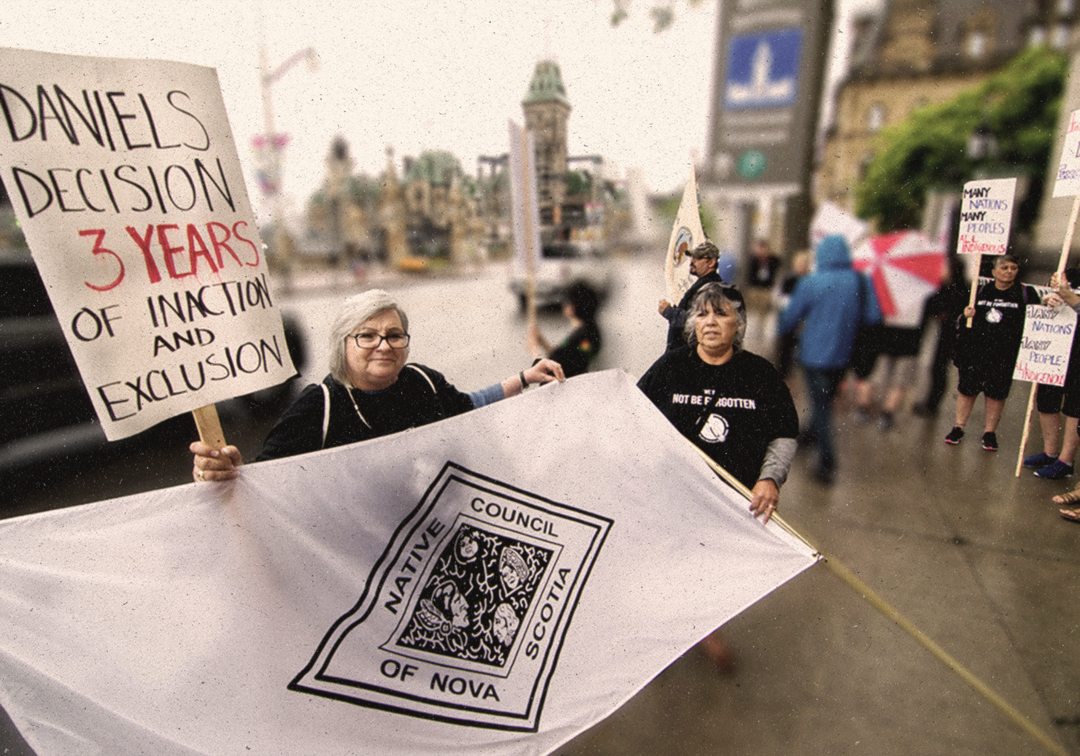
The Daniels v. Canada decision (2016) is a landmark Supreme Court ruling that confirmed Métis and non-status Indians fall under federal jurisdiction as “Indians” under section 91(24) of the Constitution Act, 1867. In short, Canada must recognize and be responsible for Métis and non-status Indigenous peoples.
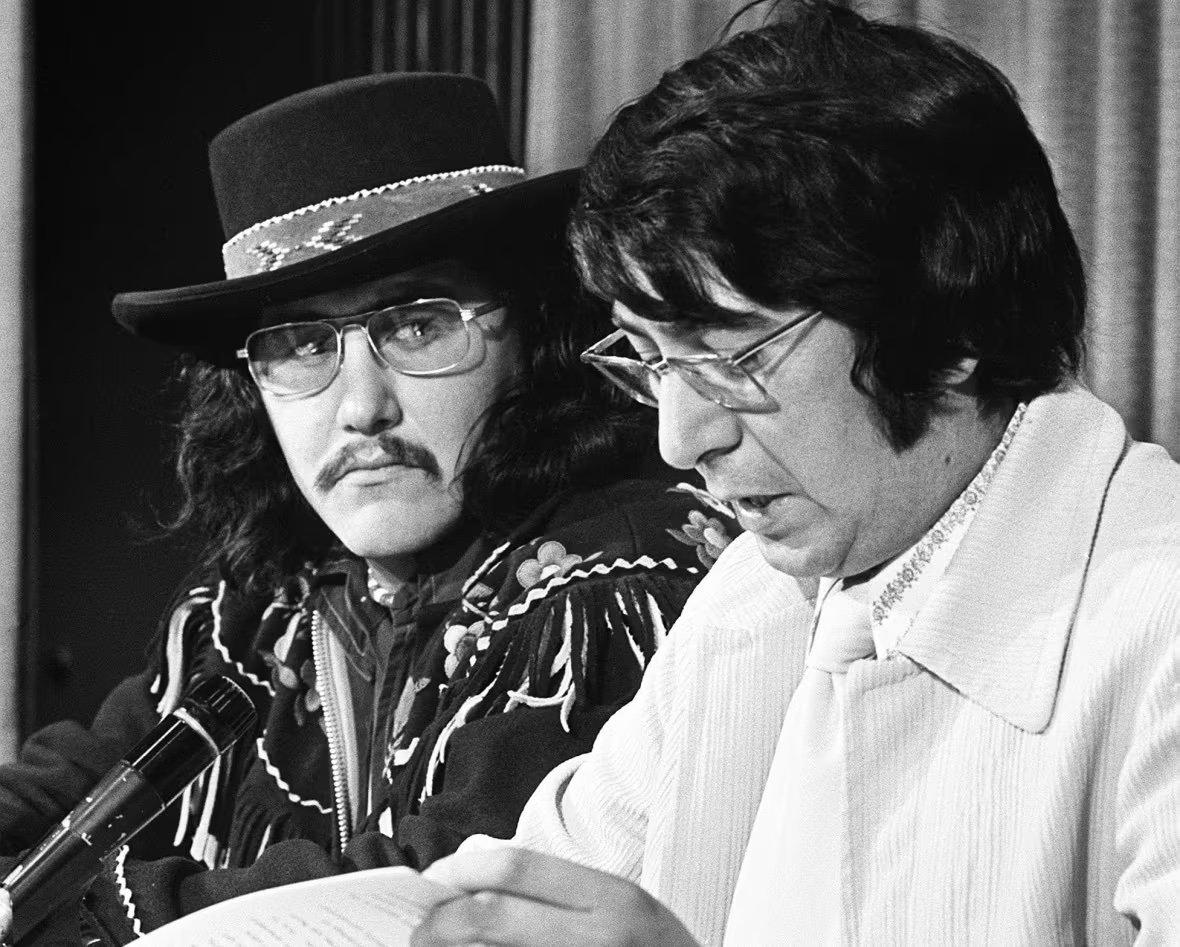
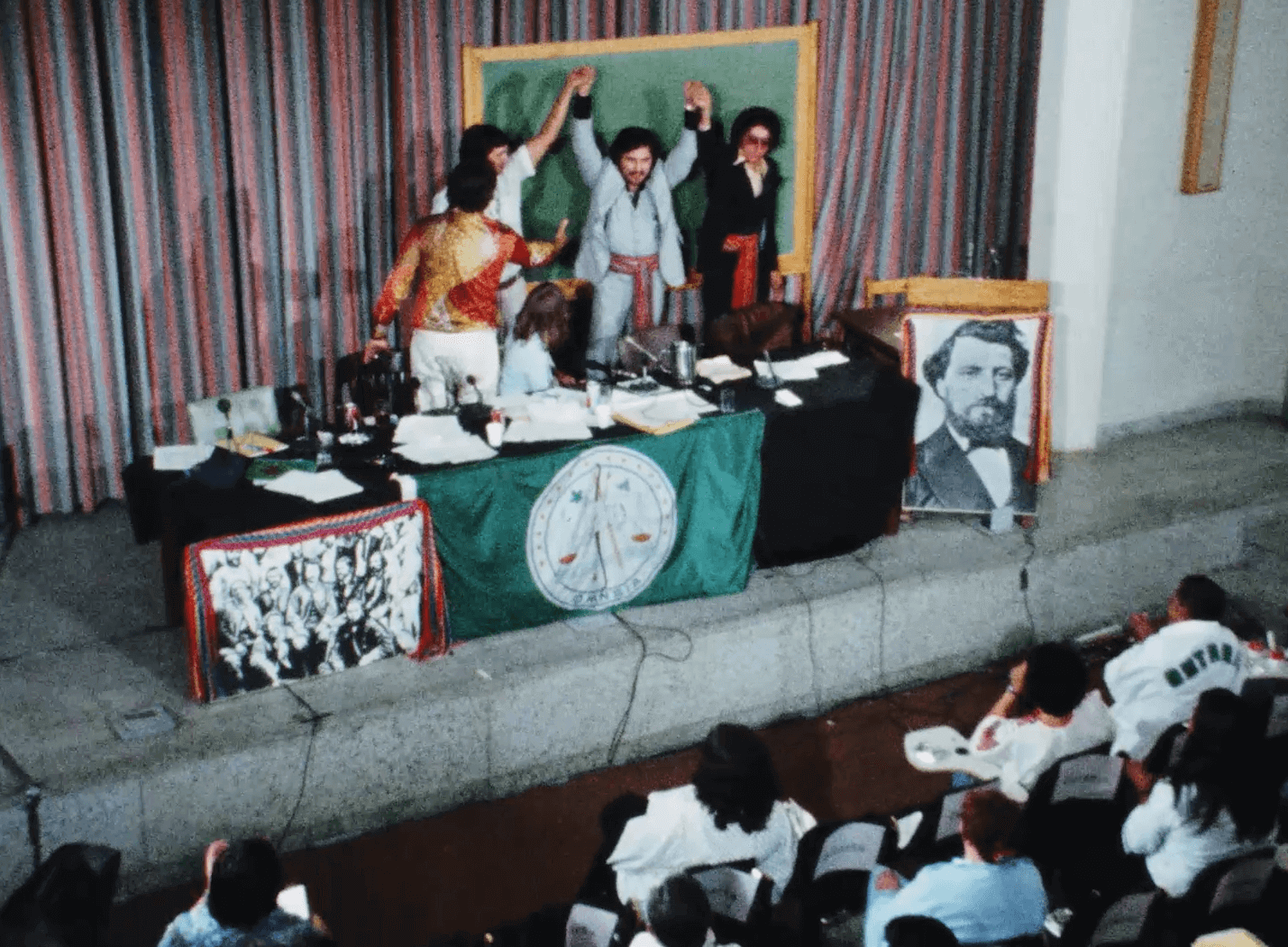
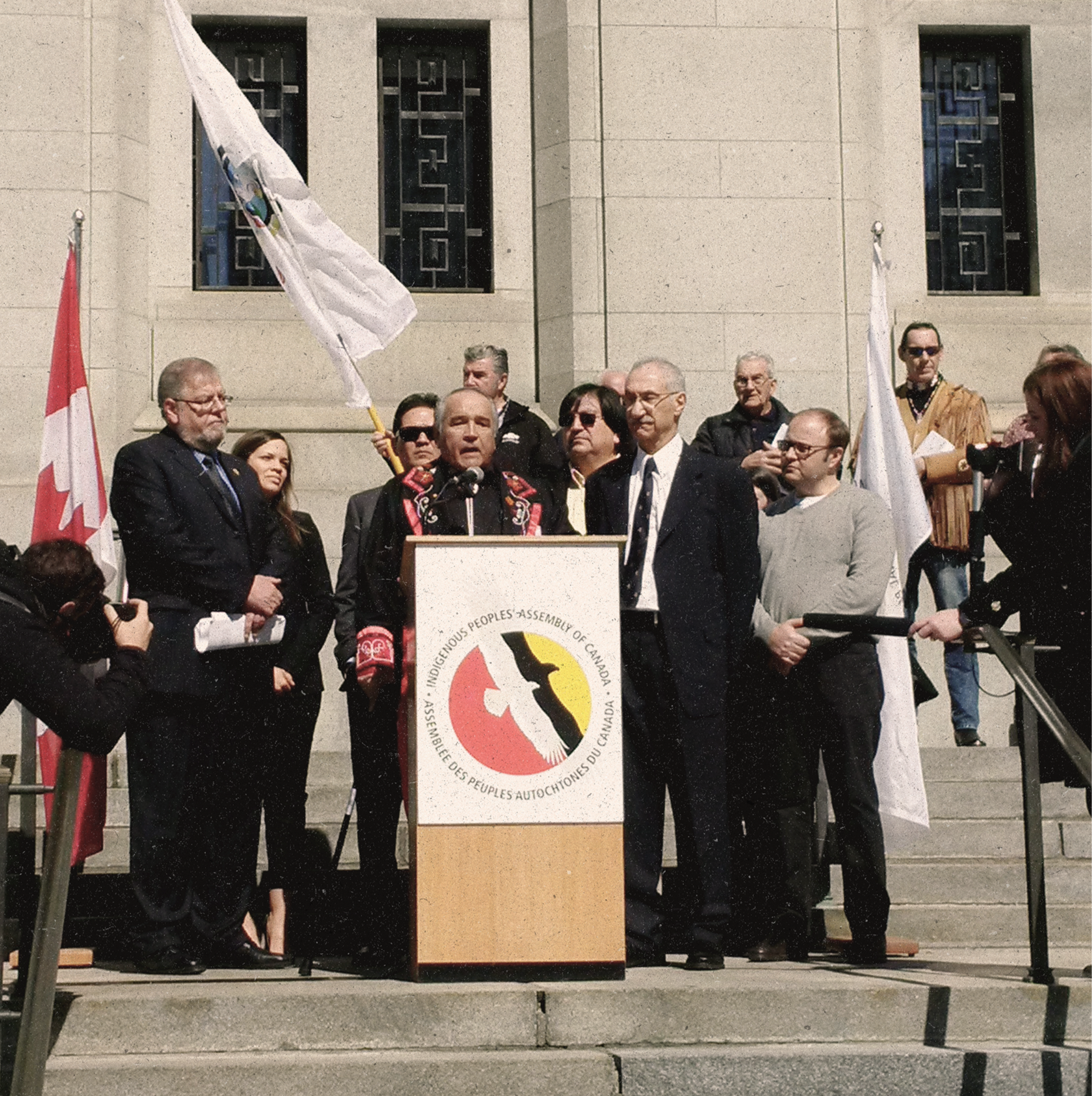
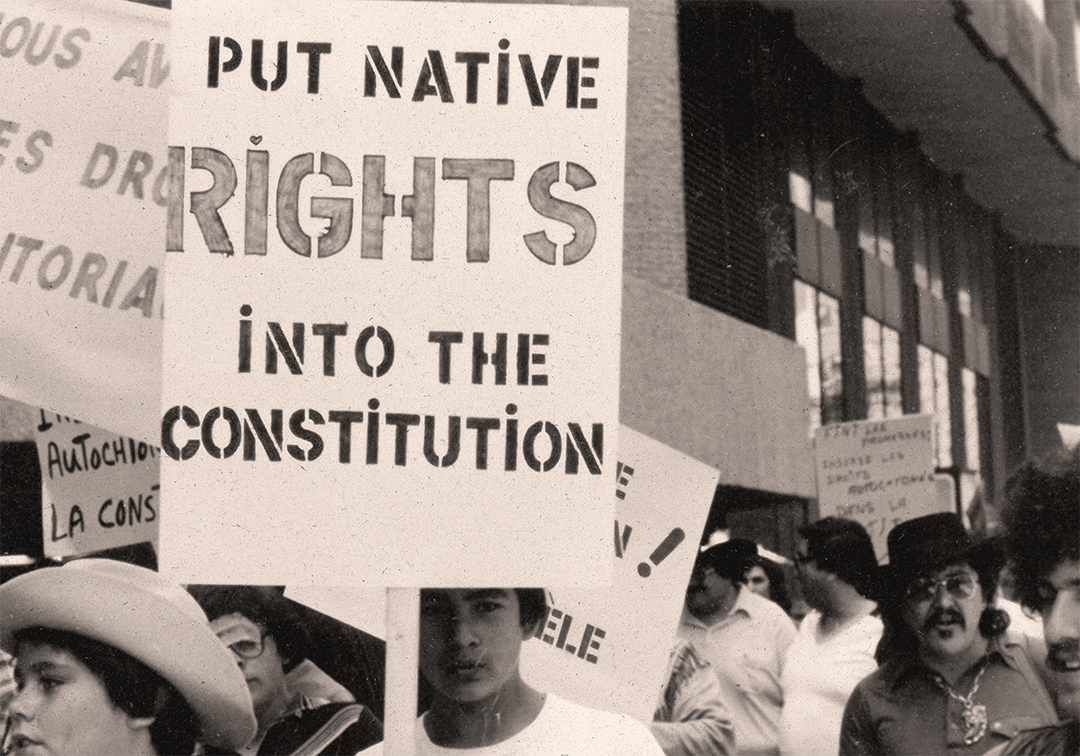
This outcome followed a 17-year legal effort led by the Congress of Aboriginal Peoples (CAP), beginning in 1999 with Harry Daniels and other plaintiffs, to address the longstanding debate between provincial and federal governments that left Métis and non-status people without clear responsibility or support.
The decision marked a significant step forward in advancing recognition, inclusion, and accountability, establishing a legal foundation for:
Federal responsibility
Rights recognition
Ongoing negotiations
While the ruling clarified jurisdiction, it did not automatically result in access to programs or service, and this is where the work remains.
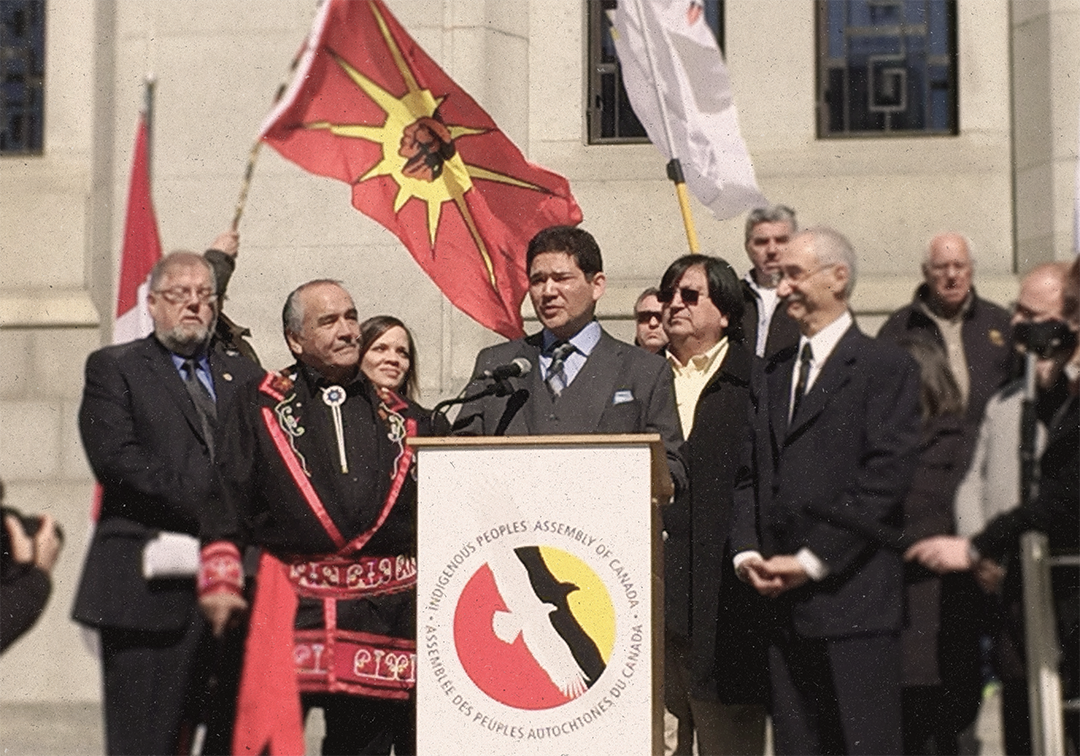
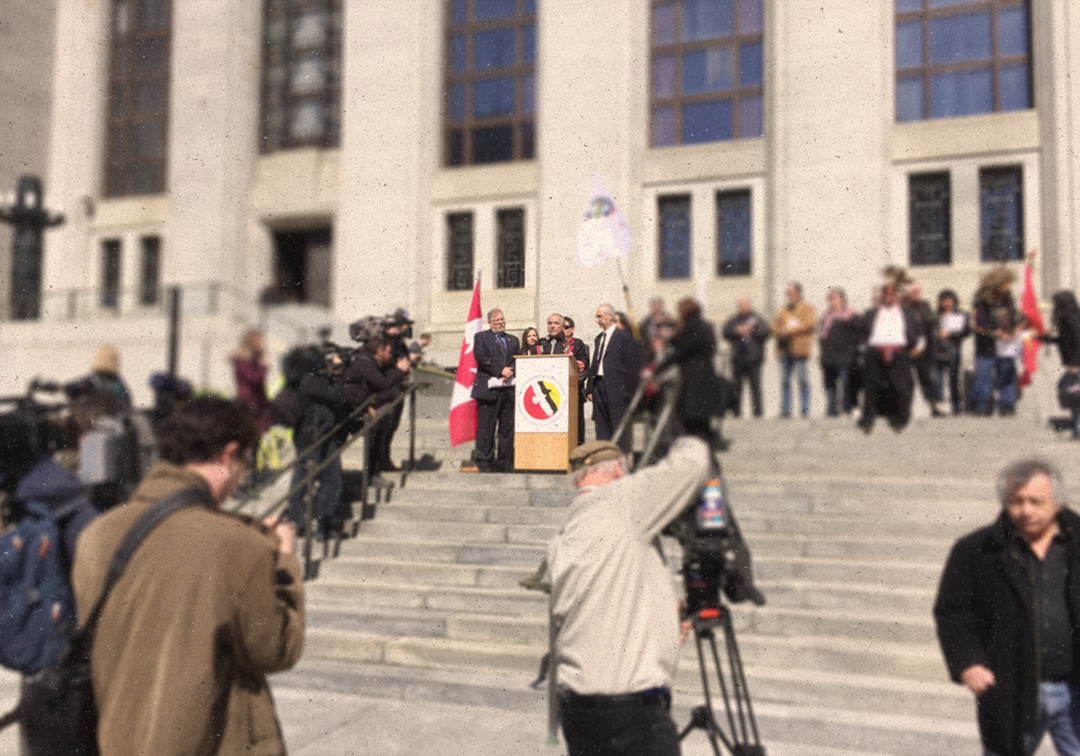
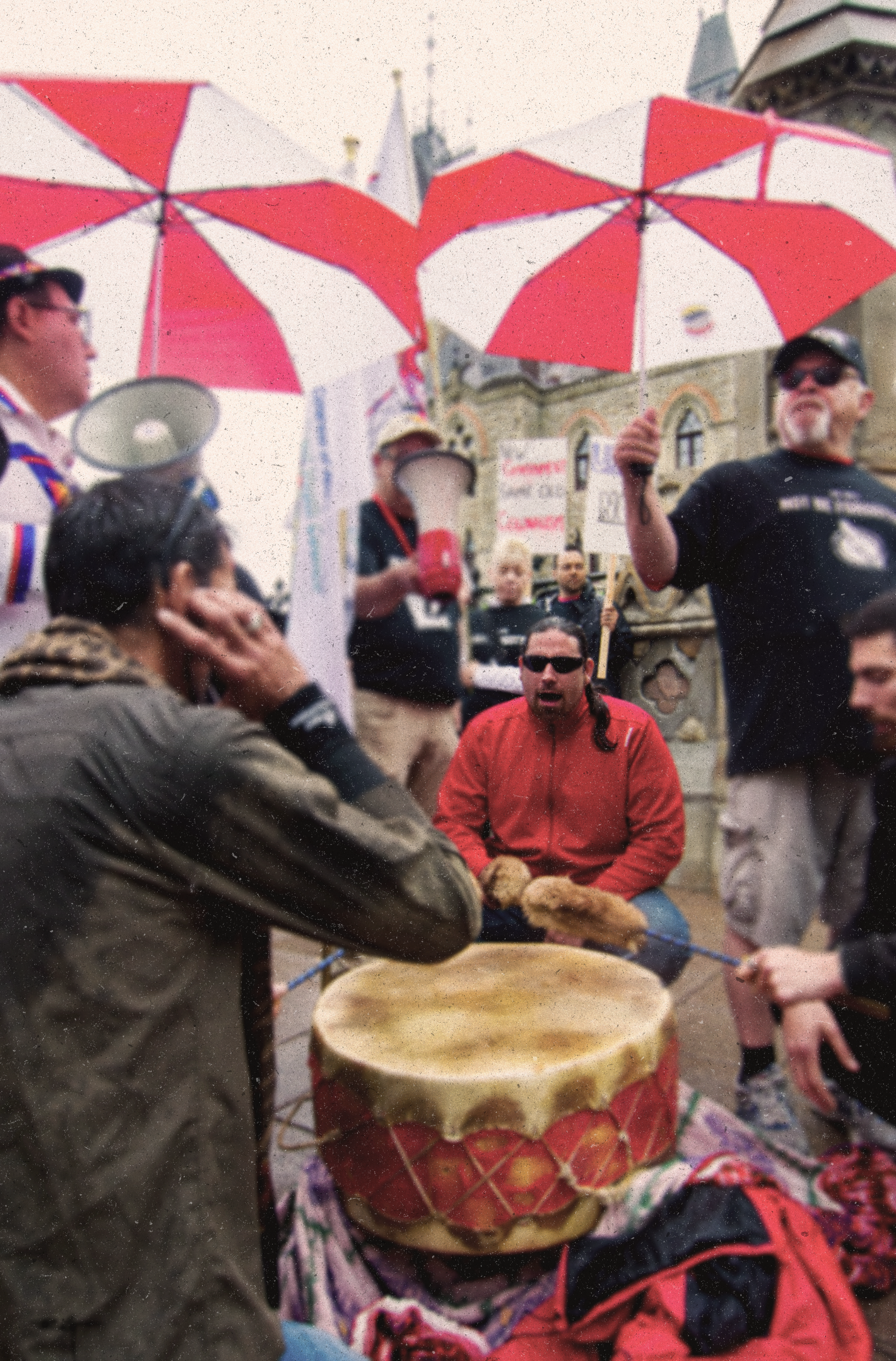

Congress of Aboriginal Peoples
Who We Are and Our Work on the Daniels Decision
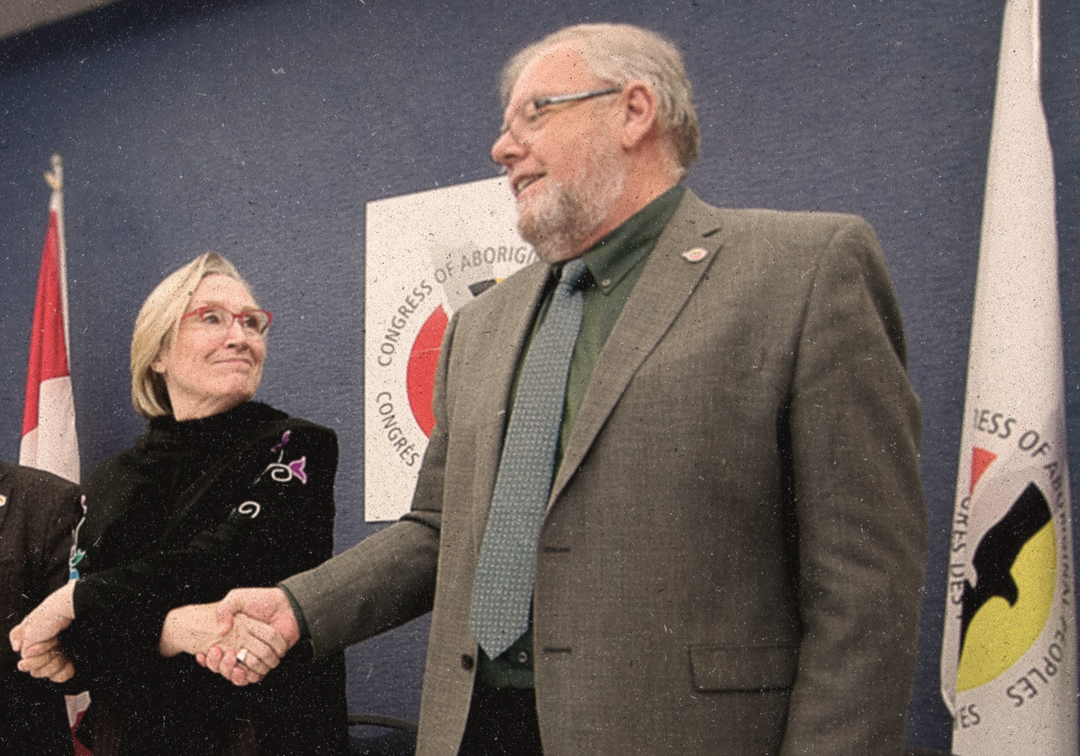
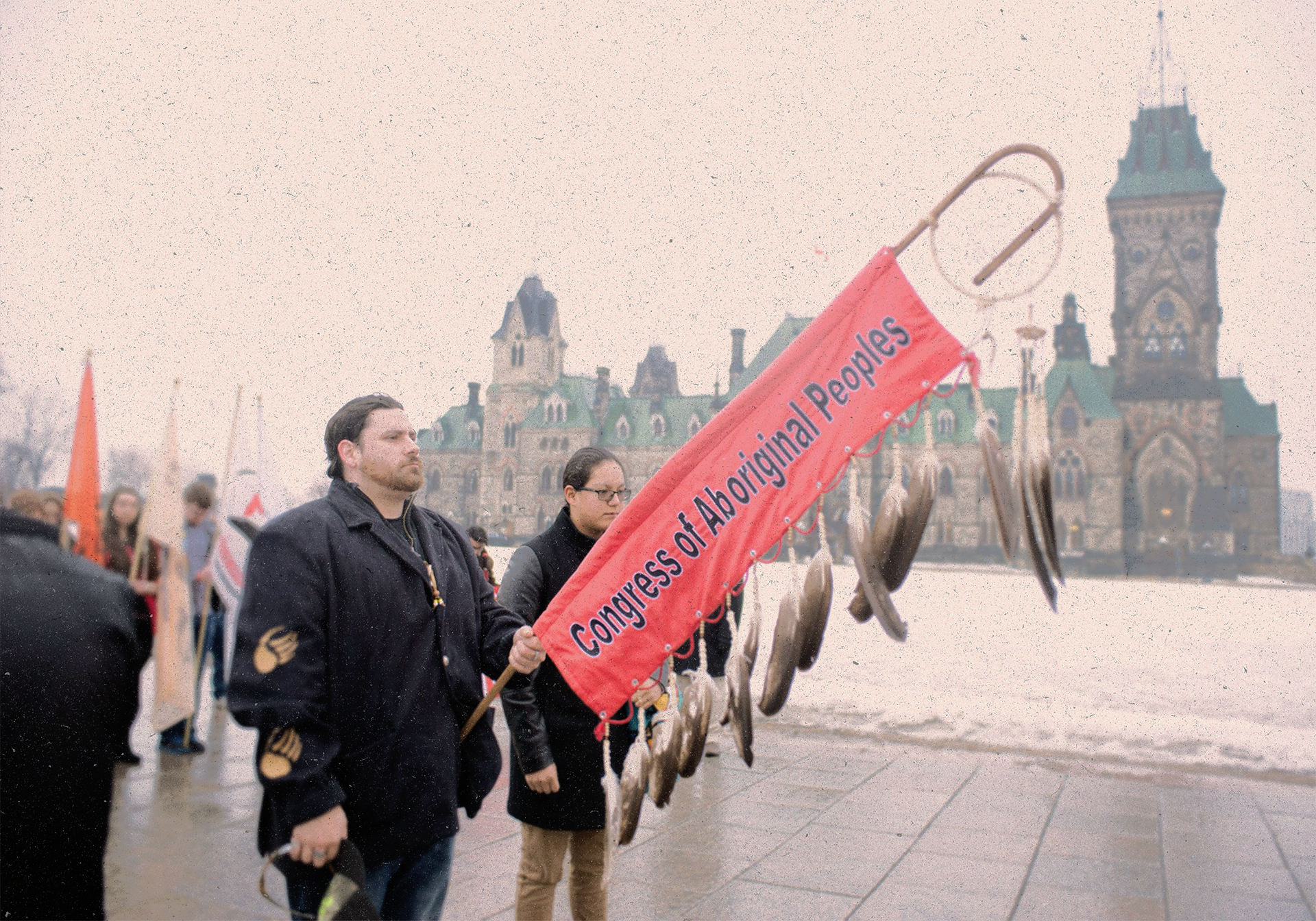
The Congress of Aboriginal Peoples (CAP) is the national voice for off-reserve status and non-status, Métis, and Southern Inuit Indigenous peoples in Canada. For over 55 years, working collectively with its eleven (11) Provincial and Territorial Organizations (PTO), CAP has advocated for the rights, recognition, and inclusion of those often excluded from federal policy and programs.
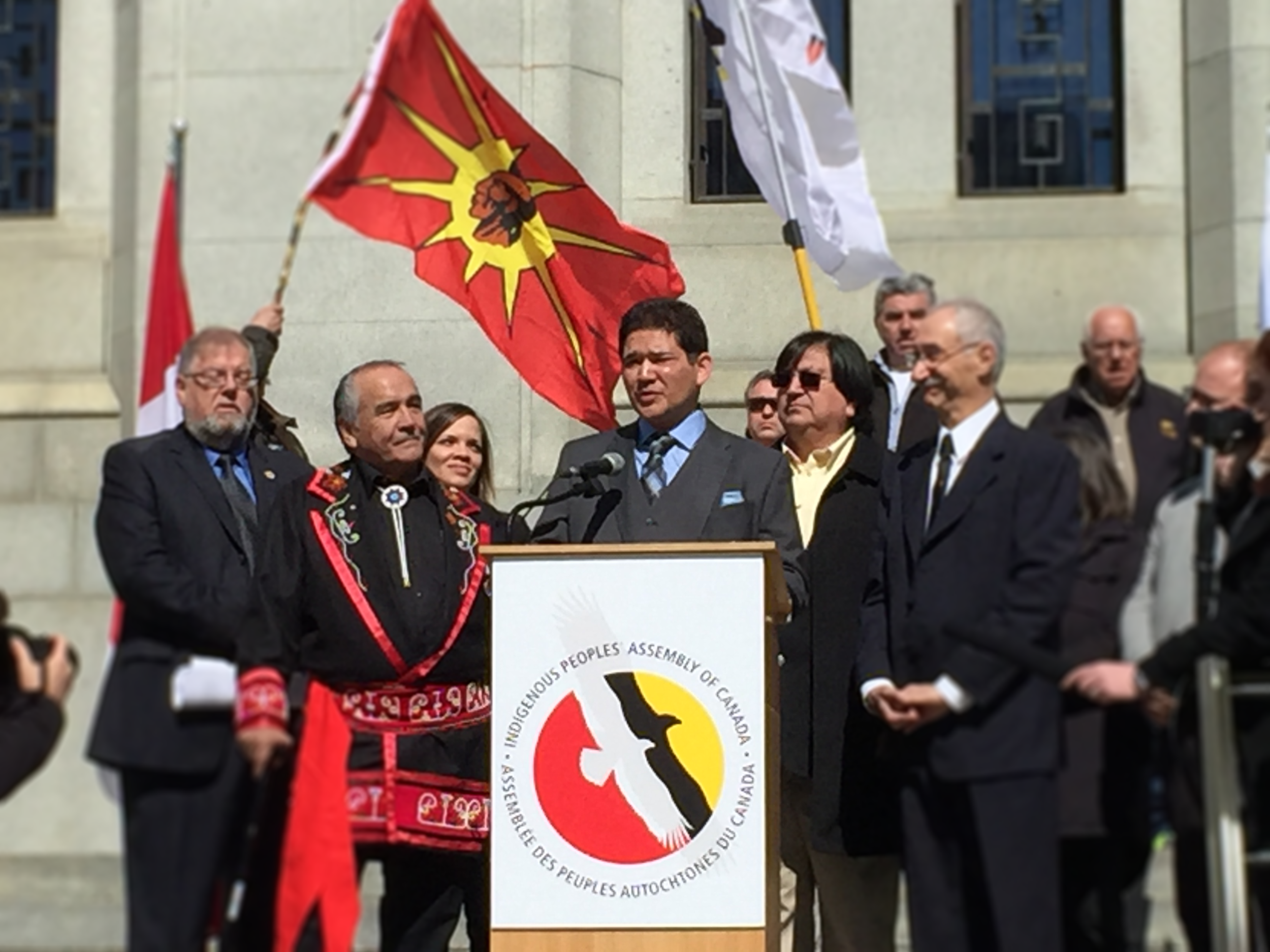
Following the 2016 Daniels decision, CAP has focused on ensuring its full and meaningful implementation. This includes advocating for federal recognition and accountability, engaging governments, and pushing for equitable access to programs and services.
CAP’s work continues to bridge the gap between legal recognition and real-world outcomes by:
Promoting inclusive policy and funding approaches
Raising awareness of inequities in access to education, health, and social supports
Challenging exclusionary frameworks tied to Indian status
Supporting engagement with urban and off-reserve Indigenous communities
A decade later, CAP remains committed to turning the promise of Daniels into tangible improvements in people’s lives, advancing solutions that reflect the diversity and realities of Indigenous peoples across Canada.
Tools for Change
Explore background materials that bring the Daniels Decision, the Political Accord, and UNDRIP commitments into focus. These resources provide clear, accessible information and lived perspectives to support learning, advocacy, and meaningful action.
Materials available for download below
⚘ Social Media Posts




-
-
-
-
The Government of Canada is implementing the United Nations Declaration on the Rights of Indigenous Peoples (UNDRIP) through the United Nations Declaration Act (UNDA). A central element of this legislation is the Action Plan, described as “a roadmap of actions Canada needs to take in partnership with Indigenous peoples to implement the principles and rights set out in the UN Declaration and to further advance reconciliation in a tangible way.”
One of the most important commitments is Action Plan Measure #90, which directs the federal government to:
“Address policy, program, and socio-economic gaps, and strengthen interdepartmental and intergovernmental relations, in full partnership with Métis, non-status, off-reserve, and urban Indigenous peoples, consistent with the CAP/Daniels decision.”
This measure recognizes Canada’s responsibility to ensure that off-reserve, non-status, Métis, and urban Indigenous peoples are meaningfully included in the implementation of UNDRIP and in the advancement of reconciliation.
The Congress of Aboriginal Peoples (CAP) has made it a priority to advocate for full implementation of Measure #90 across all federal departments and agencies. This Summit is an important part of that work, creating a space where community voices guide the path forward and ensuring that the lived realities of CAP’s constituents remain at the center of reconciliation efforts.
Learn more about the UNDA Action Plan OR United Nations Declaration on the Rights of Indigenous Peoples Act.
-
-
-
Full recognition of Métis, non-status and off-reserve Indigenous peoples
Inclusion in national discussions and decision-making processes
Equitable access to federal programs and services
Respect for Indigenous self-identification and representation
Calls to Action
Nearly a decade after the Daniels v. Canada decision, recognition has not yet translated into equitable access and inclusion. Continued advocacy is needed to ensure the federal government fulfills its responsibilities.
The Congress of Aboriginal Peoples (CAP) calls for:
You can help drive this change. By contacting your Member of Parliament (MP), you can support efforts to turn the promise of Daniels into meaningful action. Click on the link below to send a letter to your MP.
Watch Our Journey Here
